





New 76 Plates Are On Their Way — Here's How Part-Exchanging Your Car With Struans Works
With the new 76 plates arriving on 1 September, there's the usual flurry of activity on the forecourt. Plate-change season always gets people thinking about changing their car, and it means two things for us here at Struans: we're bringing in plenty of exciting new stock, and a lot of our customers are looking at what to do with their current car.
For most people, that comes down to one of two routes: selling the car privately, or part-exchanging it. Private sales can get you a bit more money in theory, but they also mean adverts, viewings, timewasters, and the hassle of sorting payment safely. Part-exchange is the route most of our customers choose, because it's simple, it's safe, and it means one visit instead of weeks of faff.
How does part-exchange actually work?
If you've never part-exchanged a car before, the process is more straightforward than people expect.
You bring your current car to us (or start the process online through our Value My Car tool), and one of our team appraises it in person. We look at a set of key factors — more on those below — to work out a fair market valuation. That valuation is then simply knocked off the price of the car, van or motorhome you're buying, so instead of two separate transactions you've got one straightforward deal.
If there's outstanding finance on your current car, we can settle that directly with the lender as part of the process, so you don't need to worry about paying it off yourself first. And unlike some car-buying platforms, there are no hidden admin or service fees tacked on — the price we quote is the price you get.
The best part is you don't need to be buying from us to sell your car this way, but if you are picking up something new for the 76 plate, part-exchange means you can drive away in your new car the same day, without ever having to deal with a private buyer.
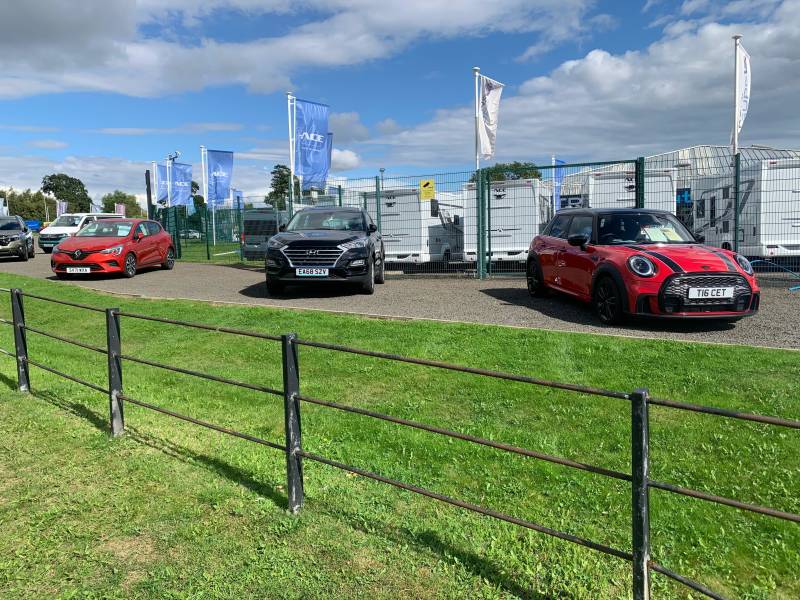
What we look at when we value your part-exchange
Every car is different, so our appraisal looks at a combination of factors rather than any single number. Here's what we're weighing up, and why each one matters.
- Make and model. Some cars simply hold their value better than others. Popular, reliable models with strong resale demand — the sort of cars our own customers are often looking for — tend to command a stronger part-exchange price than something less sought-after, regardless of condition.
- Is your car under 6 years old? Age has a big bearing on value. Cars naturally depreciate over time, and once a car passes certain age thresholds it moves into a different bracket for buyers, lenders and warranty providers alike, which affects what we can offer.
- Mileage — is it under 50,000 miles? Lower mileage generally means less wear on the engine, gearbox and other major components, so it tends to support a higher valuation. It's not the only factor, but a car that's covered fewer miles usually has more life left in it, and that's reflected in the price.
- Service history. Whether your car has a full service history, a partial one, or none at all makes a real difference. A stamped, documented service record tells us the car has been looked after properly — oil changes, filters, and general maintenance done on schedule — which gives us (and the next owner) real confidence in the car's condition, not just its mileage on the clock.
- A current, valid MOT. A valid MOT is reassurance that the car meets the legal safety and roadworthiness standards at the time it was tested. It doesn't guarantee there won't be a fault down the line, but it does show the car has recently passed an independent check, which supports the valuation.
- Number of owners. We'll also ask how many owners the car has had, including yourself. Generally speaking, fewer owners suggests more consistent care and a clearer history, while a car that's changed hands frequently can raise questions for buyers further down the line — so it's another piece of the puzzle when we're working out a fair price.
None of these factors work in isolation. A high-mileage car with a full service history and one owner might still value well, just as a low-mileage car with no service history at all might value less than you'd expect. That's why we always appraise in person rather than relying on an online estimate alone.
A few tips to help you get the best value
There are a couple of small things you can do before you bring your car in that can make a genuine difference to your valuation. Dig out your V5C, service book and any MOT certificates or receipts so we can see the full picture straight away, rather than having to estimate. If your car needs a minor MOT advisory sorted, or is due a routine service, it's often worth getting that done first, as it can move your car into a more favourable bracket. And a quick valet before you come in never hurts either — first impressions count in an appraisal just as much as they do anywhere else.
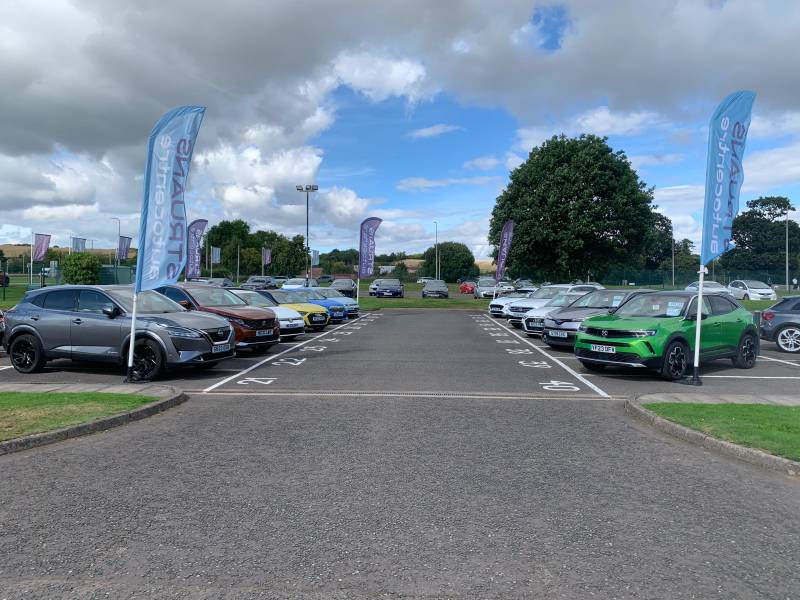
It's not just cars
Part-exchange at Struans isn't limited to cars. We regularly take used vans, motorhomes and caravans in part-exchange too, through Struans Leisure, so whether you're upgrading the family car, swapping into a new van for work, or ready for your next motorhome adventure, the same simple process applies.

Ready to find out what your car is worth?
With new 76 plates landing soon, now's a good time to get an idea of your car's value. Head over to our Value My Car page to get started, or pop into Struans Perth or Struans Dundee and let our team give your car a proper appraisal, no obligation to buy.